Fantasy Art Reference Book 1980s Women Sexy Pin Up Visions
by Arnie Fenner
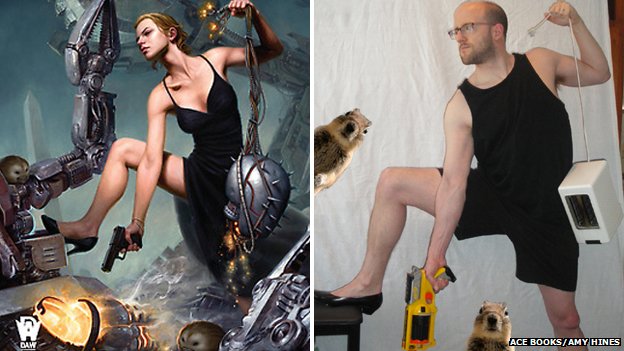
Awhile back Dan dos Santos got a flake of a roasting in a BBC article, not past name, but not exactly anonymously, either. In that location was much talk and argue amidst artists afterwards the slice appeared. My start reaction was, "What?" I didn't see Dan'south embrace for Conflicting Diplomacy (done in collaboration with David Palumbo for DAW Books) as being offensive, but actually as rather funny. How else should I take a heroine in a little black dress kicking serious robot donkey? If she had been wearing a kevlar suit and combat boots it may non take been trotted out as an example of sexist embrace art by fantasy writer Jim Hines' silly blog photo and subsequent BBC essay…merely would it have every bit finer portrayed the character and conveyed the flavour of the book's content? Questions the commodity does not ask.
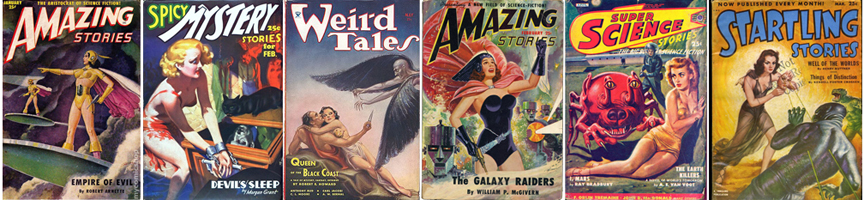
Oh certain, sexism in the arts, genre or not, is as off-white a field of study for argue as any, fifty-fifty if you lot'll never be able to have a consensus when everything boils downward to a matter of taste. And, sure, it'southward truthful that throughout the history of the genre there are more than enough puerile depictions of women to keep Mr. Hines posing in his boxers until doomsday.
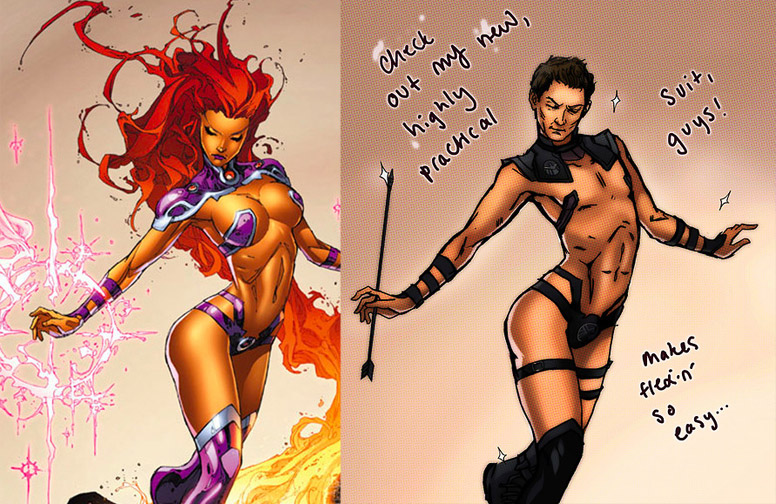
Similar concerns have been expressed most comics characters in the much harder-hitting—and infinitely funnier—Eagle Initiative website.
Putting aside the fact that artists always have and always volition draw, sculpt, and paint people in all sorts of poses in all manner or dress and undress, either for commercial or gallery work, "genre covers" is a subject field recently on people's minds and a news story about it is just as valid as whatsoever other.

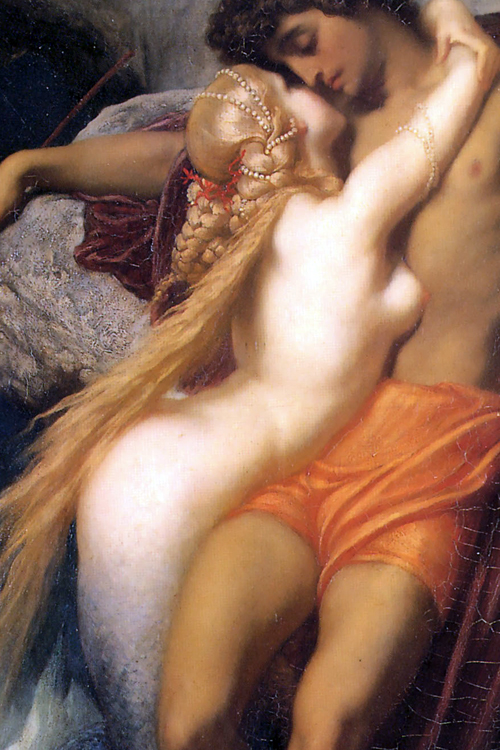
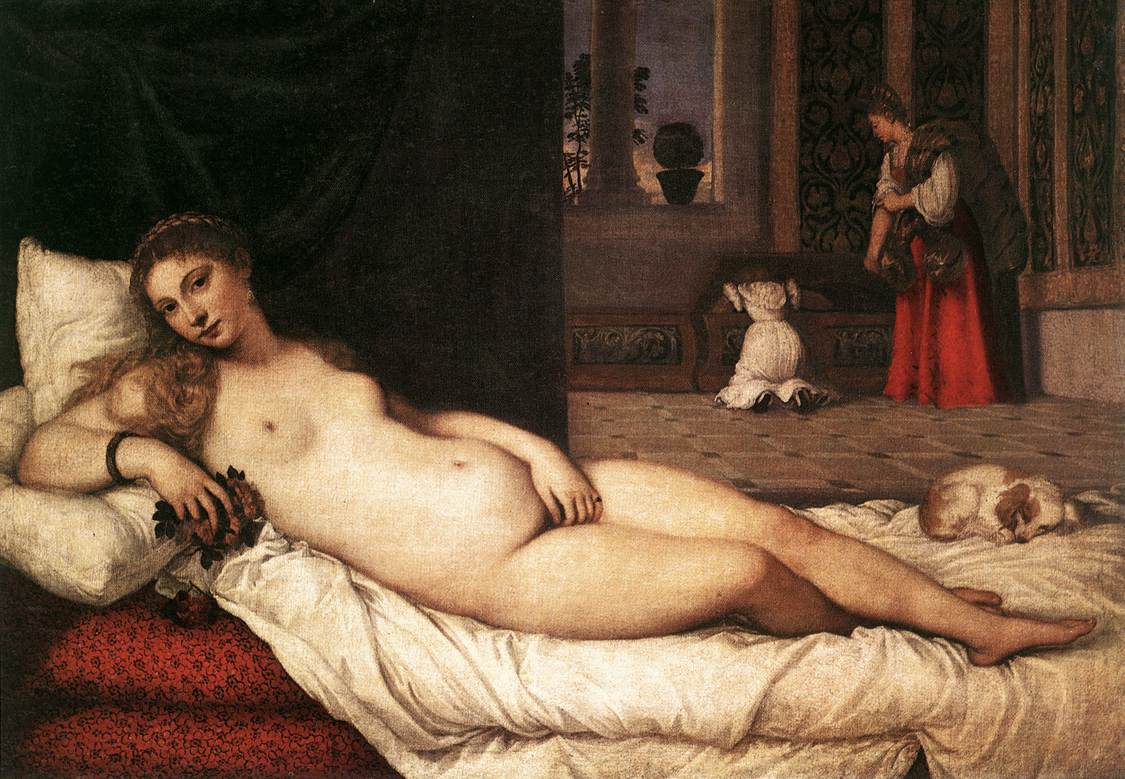
But unless I'm missing something, here'south the thing that bugged me about the BBC article and Hines' cosplay: the artists get the "arraign" for what appears on the books' covers. Not the writers whose stories and descriptions lend themselves to the interpretations existence decried; not the publishers, not the editors, not the art directors, not the sales reps, non the retailers, and not the consumers. All of whom dictate what the commercial artist creates and delivers. If they don't approve, if the artist doesn't follow direction and give them what they're paying for, the fine art is never seen. If the customers don't buy the books, other solutions are sought. And covers do sell books, much more than and then than the author's name (unless your proper name is Stephen King or Stephanie Meyer): if you think otherwise…call up again. A creative manager I used to work for had a saying: "The art makes y'all pick it up, the words brand you put it down." Writers routinely went ballistic when he'd say it, only information technology was (and is) nigh certainly true. Comprehend art's job is to attract a potential reader'southward attending: after that it'south up to the story that the author is telling to get the sale.
I guess that's what tends to chap my ass almost the BBC article and Hines' assertions: the knee-jerk reaction to blame the messenger, i.eastward. the artist, for the bulletin being crafted and sent by others. There seems to be a certain hypocrisy at work, a refusal to acknowledge that when y'all indicate a finger, there are 4 pointing back at yourself. (Make that THREE fingers, unless as John Picacio mentioned, your pollex is magic and can point the other manner or you're sporting an extra digit.) If Mr. Hines wants to talk nigh the way women have been portrayed throughout genre fiction (or examine some of the wonky views on gender, sexuality, social issues, and politics that writers accept posited) that would at to the lowest degree provide a sure balance—but working writers tend to not criticize swain writers if they can avert it. They never know when they're going to come confront-to-face with an irate target at a con or SFWA banquet.
Which, again, doesn't mean that the question of sexist genre art isn't worth talking most. And so let's ask the questions:
1] Does gimmicky fantasy & sf art routinely objectify women?
two] When does "sexy" become "sexist"? When is showing blank flesh "artistic" or "offensive"?
iii] Where is the line between "harmless" and "harmful," between "innocent" and "exploitation"? And who gets to decide where and when that line is drawn?
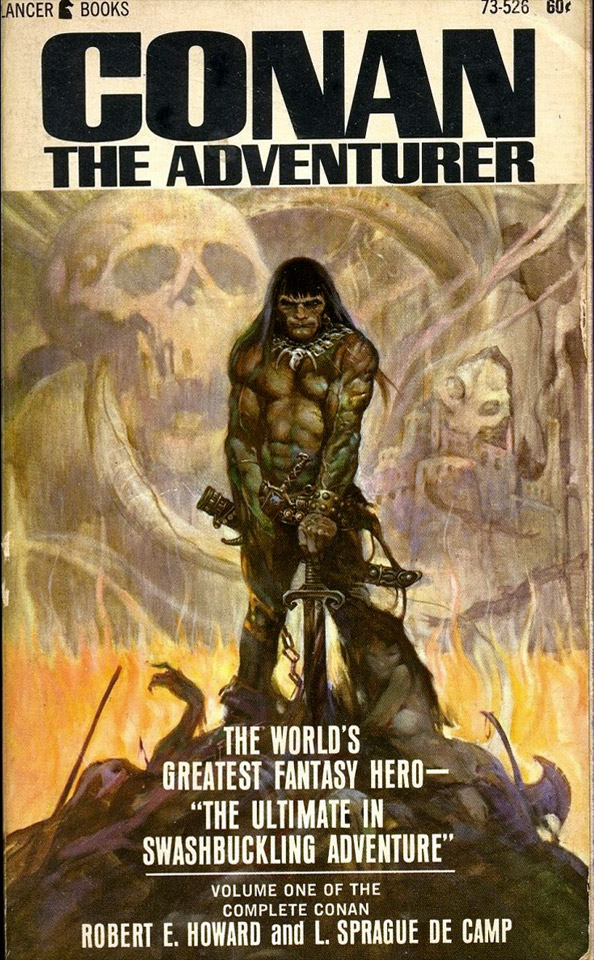
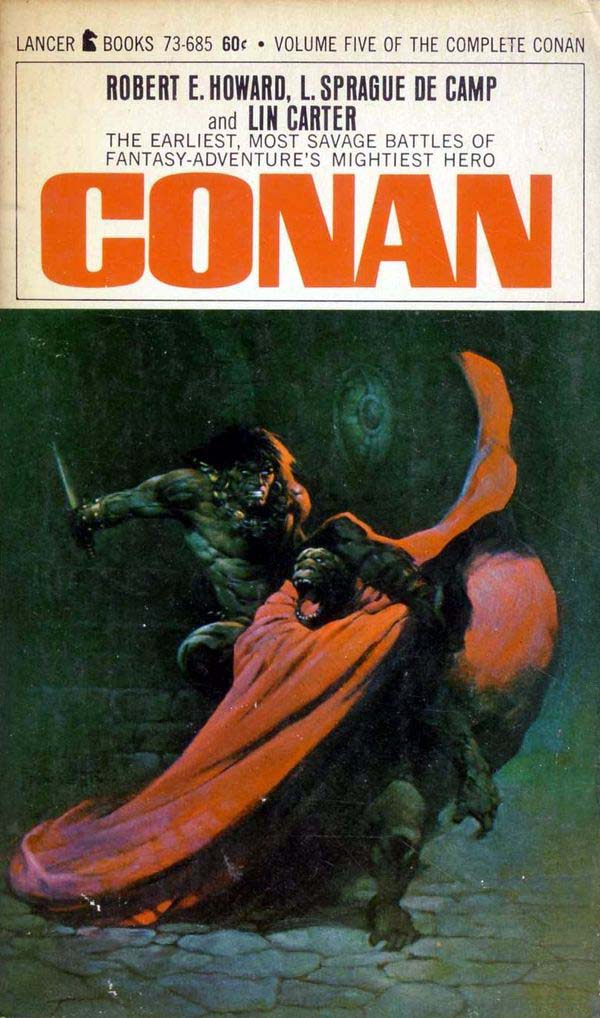
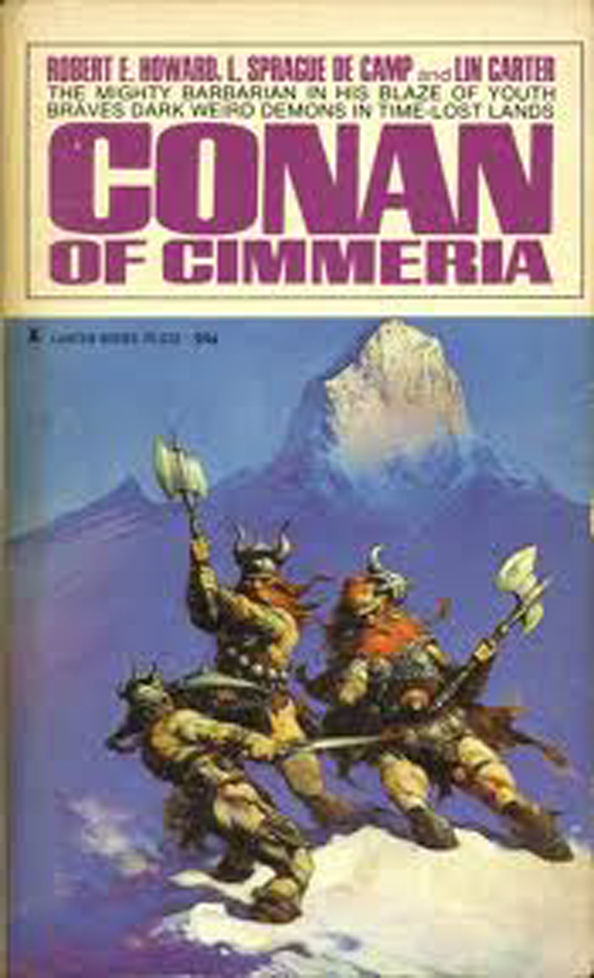
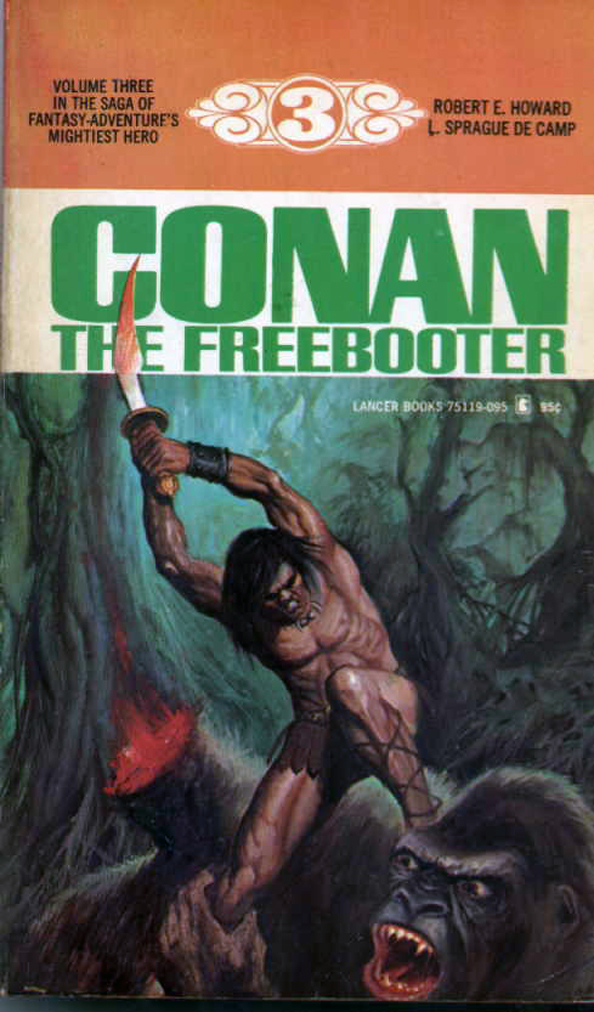
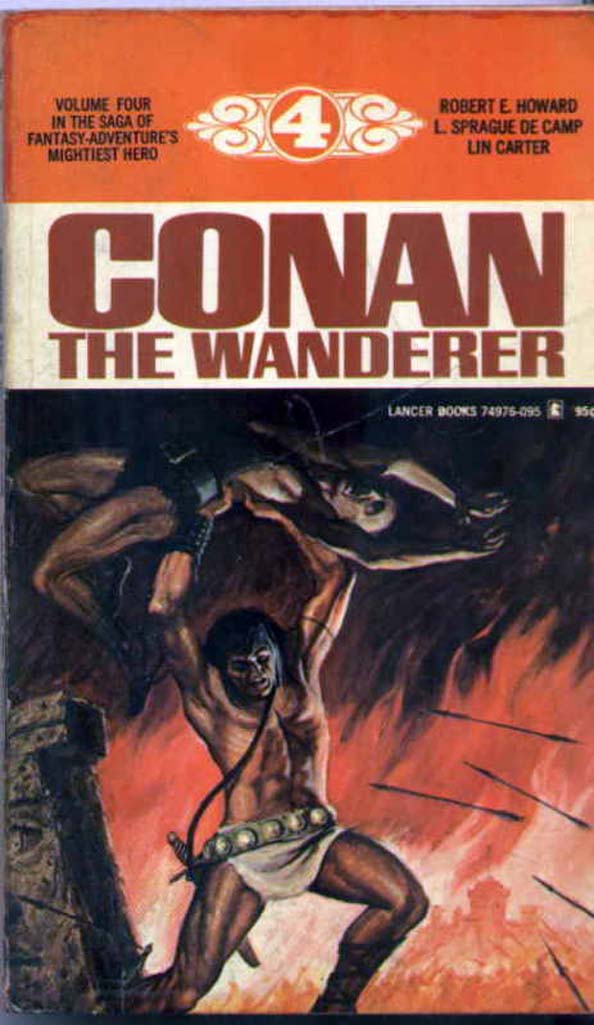
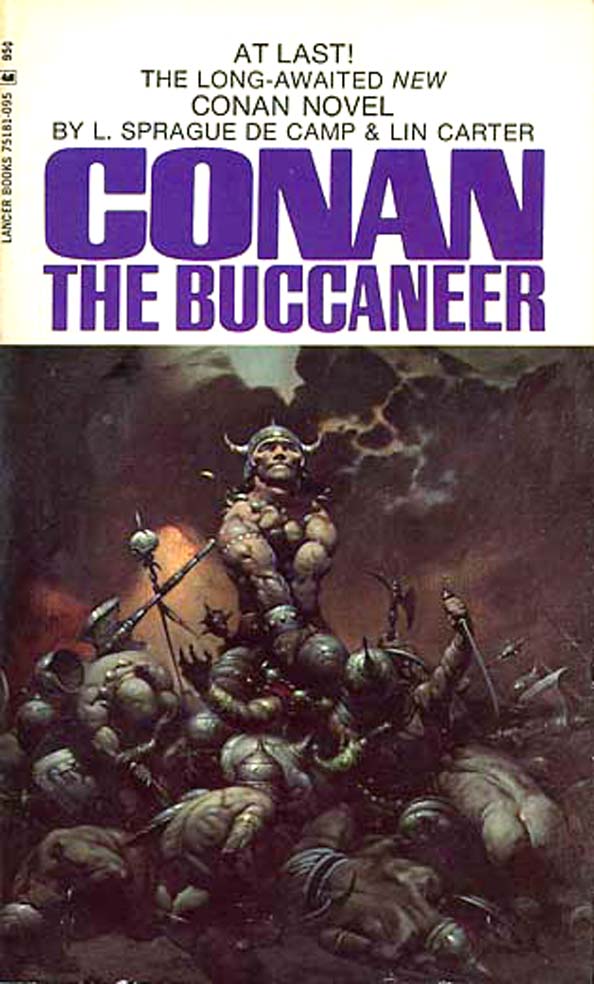
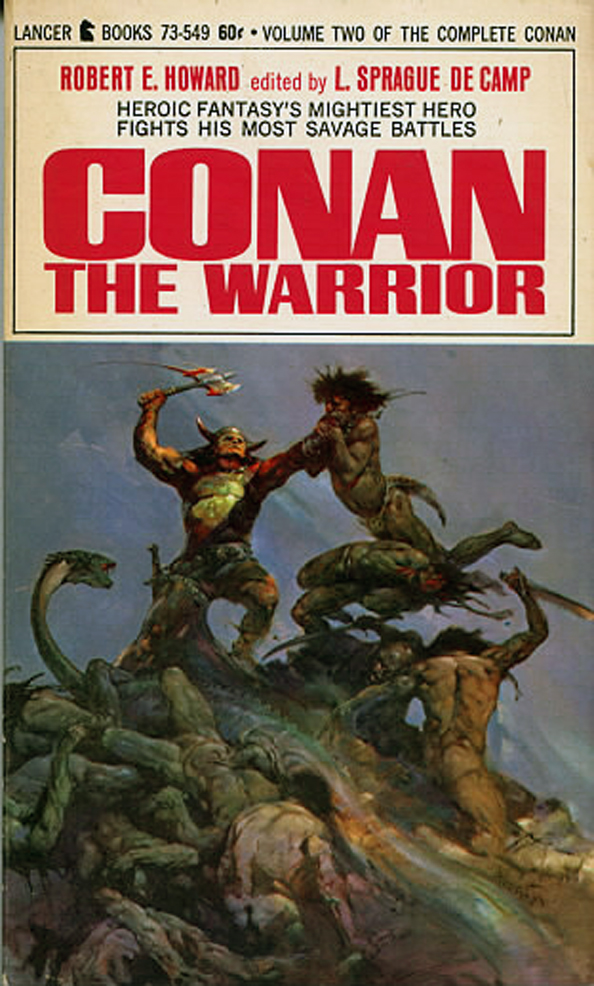
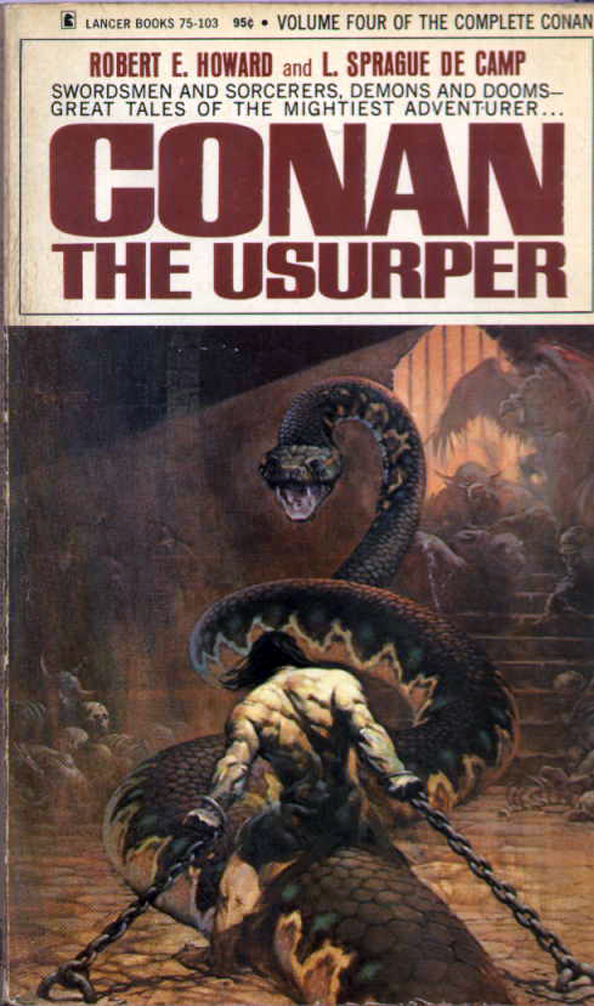
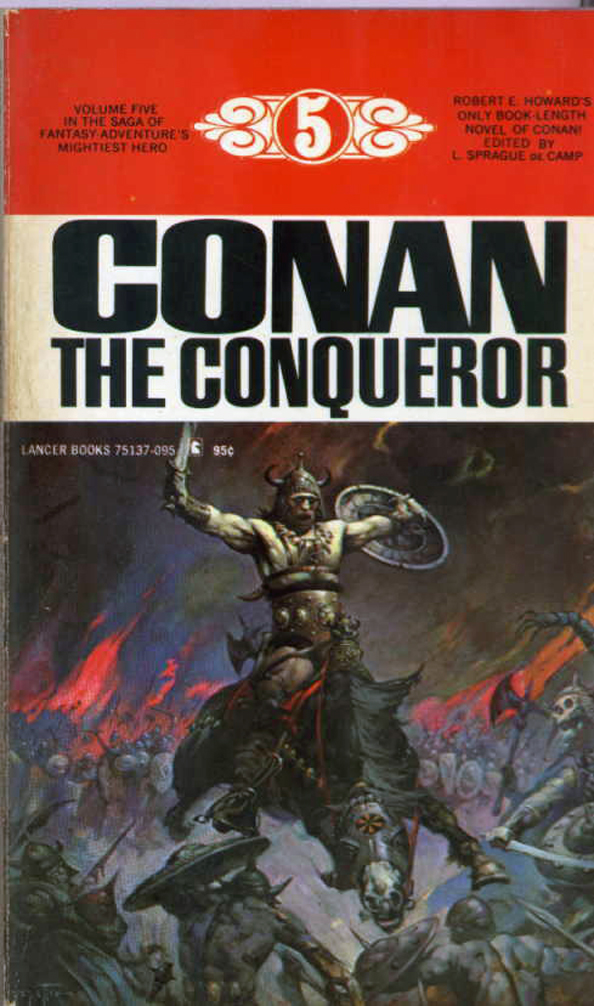
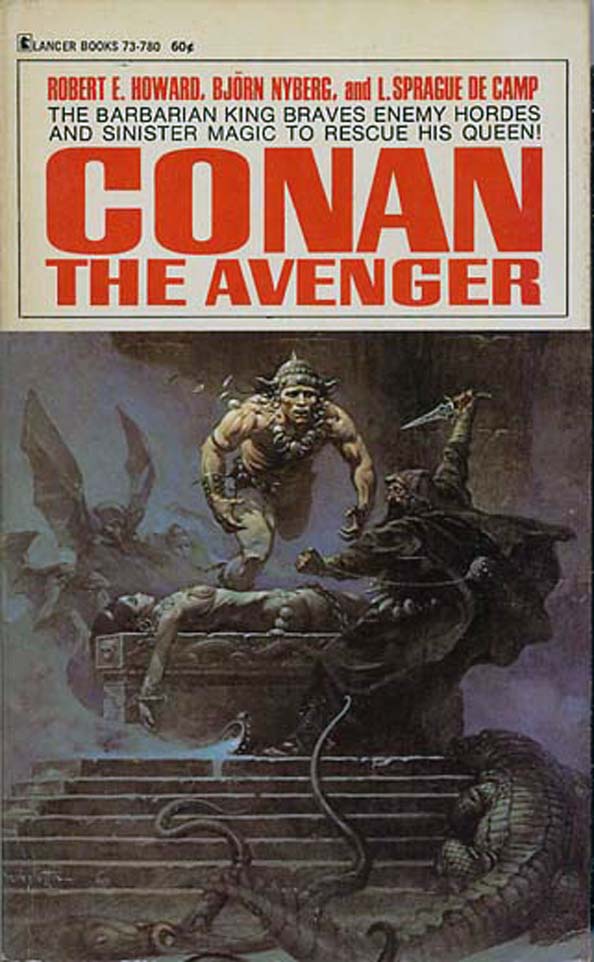

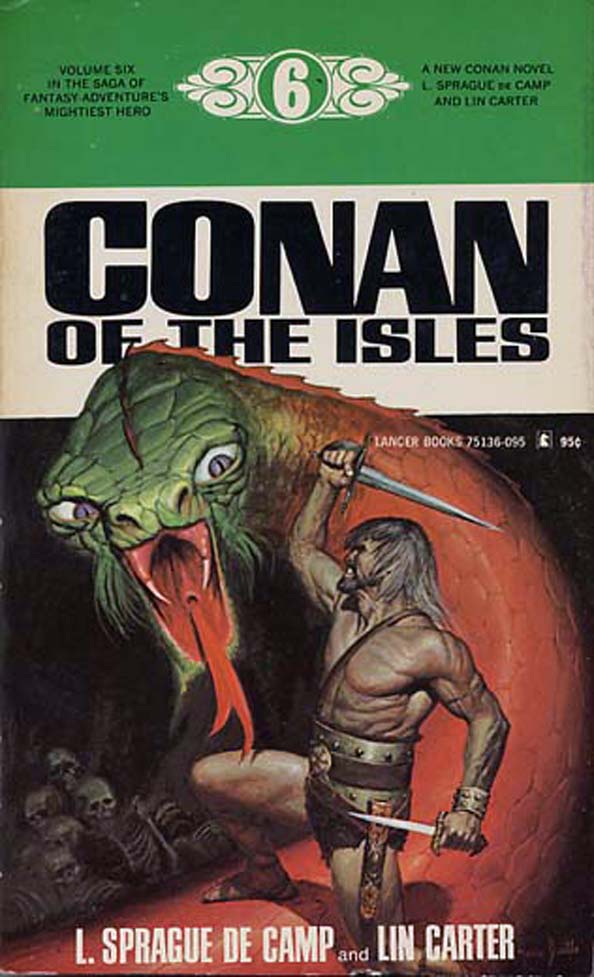
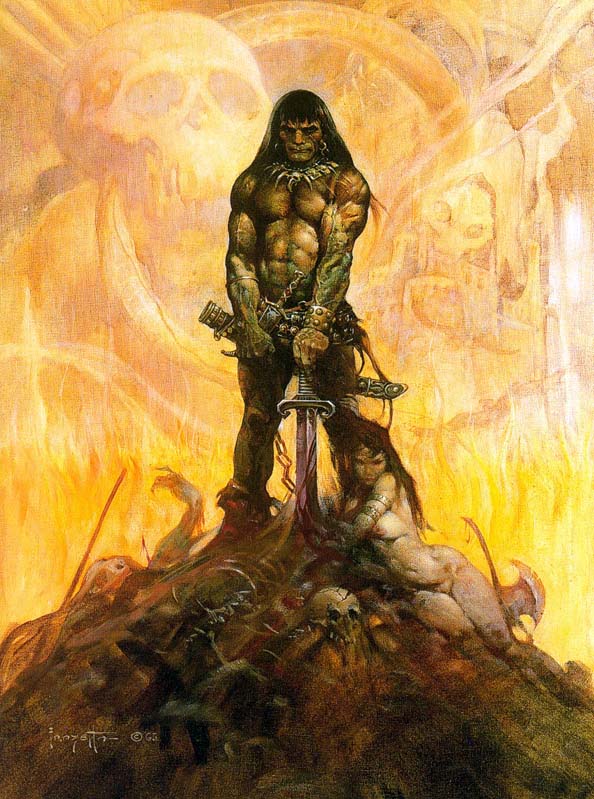
four] And finally…when did information technology get okay for reporters to become abroad with being sloppy with their "facts"? I enquire the terminal question because the BBC article asserts, "The stories of Conan the Barbarian are largely credited with transforming fantasy art in the 1960s. These covers showcased muscled men and servile women, a style that artists replicated in subsequent decades."
Uhhh. Hither are all the Conan book covers from the 1960s (the Buccaneer cover was from the early 1970s). Nearly by Frank Frazetta, three past John Duillo. Lots of bare-assed, sweaty men, but other than Frank's Conan the Adventurer painting…where are all the "servile" women?
Anyway…objectifying women. Sexist, exploitative covers. Hash out.
Source: https://www.muddycolors.com/2013/03/objectify/
0 Response to "Fantasy Art Reference Book 1980s Women Sexy Pin Up Visions"
Post a Comment